
Flying can be physically demanding and mentally tiring. Long hours of sitting, crowded airports, and disrupted routines can place strain on both your body and mind.
For individuals with existing spine conditions, these challenges may feel even more pronounced. The following ten tips are designed to help you travel more comfortably and reduce unnecessary stress during your journey.
If you have significant back pain or reduced mobility, consider arranging assistance with airline ground staff before your trip. This can make the overall experience smoother and less taxing.
1. Choose Seats That Support Your Spine
Seat selection is one of the simplest ways to protect your spine during air travel. Choose an aisle seat so you can stand and stretch easily. Seats with extra legroom — such as exit rows or premium economy — help maintain better posture and reduce lower‑back strain.
Avoid seats near the rear of the aircraft, where limited recline and increased turbulence can worsen discomfort.
Know Your Aircraft Type
Narrow‑body aircraft (common on budget airlines) often have tighter seating and reduced pitch. Wide‑body aircraft offer better ergonomics for long‑haul flights.
Recommended specs:
- Seat width: 17–18 inches
- Seat pitch: 32–34 inches
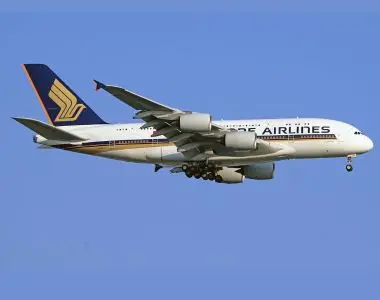
- Preferred aircraft: Airbus A380, Boeing 777
- Best layout: 3‑3‑3 for balanced comfort
2. Use a Lumbar Support Pillow
Airplane seats rarely support the natural curve of the lower back. Bring a small lumbar roll, travel pillow, or rolled‑up scarf to maintain your lumbar lordosis and prevent slouching.
3. Pack Light — and Lift Smart
Heavy luggage is a common trigger for back injuries. Use wheeled suitcases, distribute weight evenly, and avoid lifting heavy bags into overhead bins if you have a history of back pain.
4. Stretch Before Boarding
Gentle stretching before your flight improves circulation and reduces stiffness. Try spinal twists, hamstring stretches, and shoulder rolls while waiting at the gate.
5. Move Every 30–60 Minutes
Prolonged sitting compresses spinal discs. Stand, walk, or stretch every 30–60 minutes during waking hours to reduce stiffness and improve blood flow.
6. Stay Hydrated
Cabin air is dry, and dehydration worsens joint stiffness and muscle cramps. Drink water regularly and limit caffeine or alcohol.
7. Support Your Neck
Use a U‑shaped travel pillow or adjust the seat’s headrest wings to keep your cervical spine aligned, especially when sleeping upright.
8. Maintain Good Posture
Sit upright with your back supported, shoulders relaxed, and feet flat on the floor. Avoid crossing your legs, and use a footrest if needed.
9. Use Heat or Cold Packs (If Needed)
Heat relaxes tight muscles; cold reduces inflammation. Portable heat patches or cold packs can be helpful — check airline regulations before bringing gel packs.
10. Consult Your Spine Specialist Before Flying
If you have scoliosis, spinal stenosis, or recent surgery, a pre‑travel consultation ensures you’re fit to fly and equipped with personalised advice.
If you use a brace or have spinal implants, carry a medical memo or implant card to ease airport security checks.