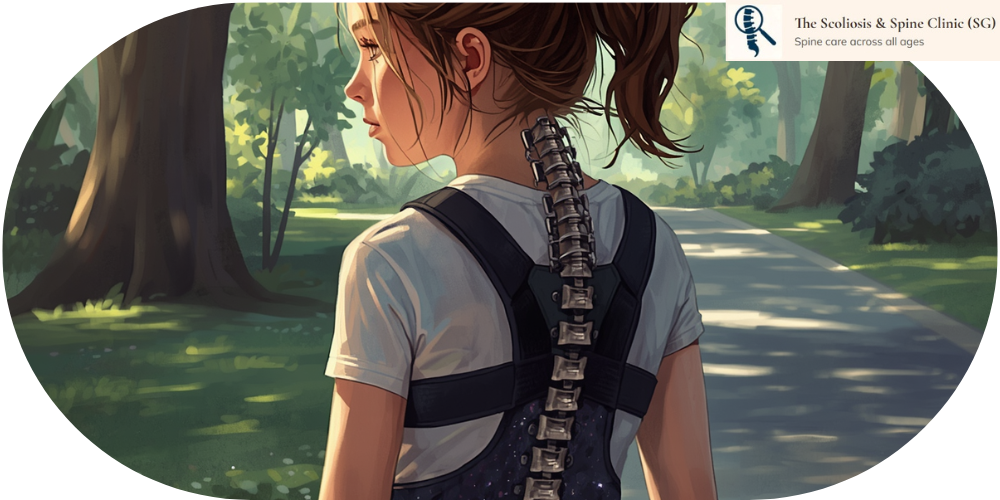
A young patient wearing a modern scoliosis brace — supportive, discreet, and designed for comfort.
1. Prioritize Posture
Posture is about alignment, not rigidity. A helpful visual cue is to imagine your head gently balanced at the center of your pelvis—this promotes vertical stacking of the spine and reduces compensatory strain.
Scoliosis creates natural asymmetries, and chasing “perfect” posture can lead to frustration. Focus on what feels balanced and sustainable. For a deeper understanding of how scoliosis affects alignment, see our AIS overview, or see what a curve actually looks like in the 3D visual guide.
2. Choose Movement That Feels Good
Regular stretching helps maintain flexibility and reduce stiffness. Low-impact activities like swimming and planking strengthen core muscles, which are essential for spinal stability.
Even five to ten minutes of spinal-based stretching—such as side bends, cat-cow movements, or wall elongation—can improve posture and comfort. If you want to see how adolescents return to sports after treatment, explore our competitive sports after scoliosis surgery.
For guided scoliosis‑friendly exercises, you may find this short video helpful: scoliosis exercises for posture and comfort .
To see how adolescents regain confidence and mobility after scoliosis surgery, you may view a Pilates recovery clip on our Instagram: Pilates after scoliosis surgery .
3. Dress for Comfort and Confidence
Soft, breathable fabrics and flexible waistbands reduce pressure on sensitive areas. Layering helps balance visual asymmetry and makes bracing more discreet.
For girls with significant shoulder asymmetry, slipping bra straps can be frustrating. Adjustable or racerback styles, or silicone strap cushions, can improve grip and alignment.
4. Build a Supportive Sleep Setup
Sleep is when your body heals and recovers—so your mattress and pillow setup matters. A medium-firm mattress supports spinal alignment, and side sleepers may benefit from a pillow between their knees.
Experiment with pillow height and sleeping positions to find what works best for your curve. Quality sleep supports both physical recovery and emotional resilience.
5. Embrace Your Story and Seek Community
Scoliosis is part of your journey, not your identity. Sharing your experience with trusted friends, family, or support groups can reduce isolation and build confidence.
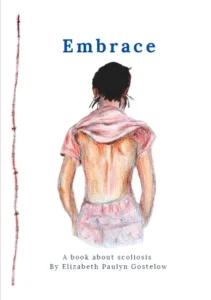
Elizabeth, a scoliosis patient of Dr Lau and author of the guidebook Embrace, writes:
“I used to hide my curve like a secret. But the moment I shared my story, I found strength—not just in myself, but in others who understood. Scoliosis didn’t break me. It shaped me.”
Writing can be a powerful way to process your feelings. Journaling or blogging helps clarify emotions and track progress. For more patient stories, see our featured scoliosis journey.
6. Living Well After Scoliosis Surgery
Life after scoliosis surgery is not about “getting back to normal” — it’s about discovering a new, stronger version of yourself. Most adolescents regain excellent function, mobility, and confidence within months, and many return to sports, dance, and active lifestyles.
In the early weeks, your body is still healing. Gentle walking, good posture habits, and listening to your body’s signals help build a strong foundation. As your spine stabilises, physiotherapy focuses on core strength, balance, and movement confidence.
Many patients worry about long-term restrictions, but modern surgical techniques — including motion-preserving options like VBT — allow adolescents to return to high-level activities. With proper guidance, most patients resume school, sports, and daily routines safely.
Emotional recovery matters too. It’s normal to feel cautious or uncertain at first. Celebrate small milestones — your first pain-free stretch, your first walk outside, or the moment you realise you’re standing taller. These moments build confidence and remind you how far you’ve come.
For inspiration, you may enjoy this short recovery story showing an adolescent returning to ballet two years after surgery:
Pilates After Scoliosis Surgery – Building Confidence, Control, and Mobility
If you’re exploring what life looks like after surgery, our featured scoliosis journey shares how adolescents return to competitive sports with confidence.
7. Support Your Child (or Yourself) With Confidence
Living with scoliosis—whether you are the patient or the parent—can feel overwhelming at times. The most powerful tool you have is confidence: confidence in the treatment plan, in your body’s ability to adapt, and in the support system around you.
For parents, reassurance matters. Your calm presence helps your child feel safe, especially during brace adjustments, clinic visits, or the early weeks after surgery. Celebrate small wins together—better posture, improved comfort, or simply a day with less worry.
For adolescents, it’s important to remember that scoliosis does not define who you are. Many young people discover new strengths through their journey: resilience, discipline, and a deeper understanding of their bodies. Surround yourself with people who uplift you, and don’t hesitate to ask questions or express how you feel.
If you’re navigating school life, consider sharing your needs with teachers or close friends. Simple adjustments—like lighter bags, ergonomic seating, or extra time between classes—can make daily routines more comfortable.
Above all, know that you are not alone. Thousands of adolescents in Singapore and around the world live full, active, and joyful lives with scoliosis. With the right support, you can too.